Sale
SMS for a Deal: +61423411752 | Call Us: 0755962588


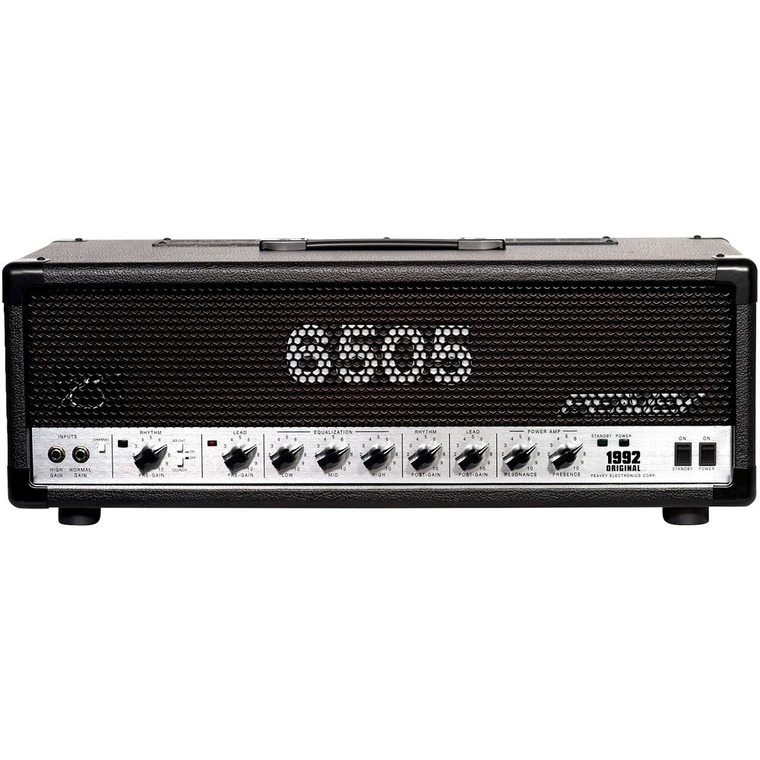
Thirty years on from the amp that gave heavy guitar its voice, Peavey has gone back to the original recipe. The 6505 1992 Original is a faithful reissue of the head that ended up on more metal and hardcore records than almost anything else — five 12AX7s, four 6L6GCs, 120 watts, and a lead channel with more gain than most players will ever need. Same layout, same attitude, and a new output transformer built specifically to put the midrange back where it was in 1992.
The 6505 circuit barely changed across three decades, but the parts around it quietly did. Suppliers changed hands, manufacturing processes drifted, and the amps drifted with them — most audibly in the output transformer, which is where a great deal of an amp's midrange character actually lives. Peavey went back through the amp component by component, A/B'd it against original units, and had a transformer made to match the early spec. That is the difference between a reissue that wears the badge and one that behaves like the amp it claims to be.
This is what the 6505 is famous for. Pre-gain and post-gain on their own controls let you set how hard the preamp is driven independently of how loud the amp is, so you can find the saturation you want at rehearsal volume and keep it at gig volume. The gain structure is tight and fast, with enough compression to make fast right-hand work sit evenly and enough clarity that chugging on the low string stays a note rather than a rumble. Wind the pre-gain past halfway and you are in the territory that made this amp a genre standard.
The rhythm side is not an afterthought clean channel. It has its own pre-gain and post-gain, plus bright and crunch switches that take it from a glassy, headroom-heavy clean to a genuinely dirty crunch that stands on its own for rock rhythm work. Both channels share the three-band EQ, which is exactly how the original was laid out and part of why the amp is quick to dial in — you set the EQ once and the two channels stay related to each other instead of fighting.
Four 6L6GC valves produce 120 watts, switchable across 16, 8 and 4 ohms so the amp is happy with a single 2x12 or a pair of 4x12s. The power amp gets its own presence and resonance controls, which shape the top-end bite and the low-end thump after the EQ rather than before it. Resonance is the control that turns a tight amp into a heavy one — small movements there make a large difference to how the cabinet moves air.
High and low gain inputs let you match the amp to hot pickups or vintage-output ones without touching the gain controls. There is a footswitchable post-EQ effects loop, a preamp output for running into a power amp or a recording chain, and a universal AC input selector. The footswitch is in the box, so channel switching and the loop are under your foot from day one. The rest is a tolex-covered plywood shell, metal corners and a strap handle — the same construction that kept these amps working through decades of touring.
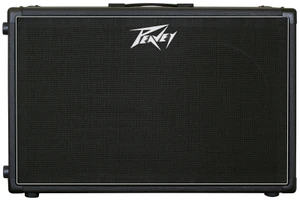
If you play anything heavy and you want the actual thing rather than a modeller's approximation of it, this is the amp. It is loud, it is uncomplicated, and it does one job better than almost anything else ever has. Run it into a 212-6 for a manageable half-stack, or into a 4x12 if you want the full picture.
| Brand | PEAVEY |
|---|---|
| Model | 6505 1992 Original |
| Series | 6505 Series |
| Type | Valve guitar amplifier head |
| Power Output | 120 watts RMS |
| Speaker Impedance | 16, 8 or 4 ohms (switchable) |
| Preamp Valves | 5 x 12AX7 |
| Power Valves | 4 x 6L6GC |
| Channels | Two (rhythm and lead), footswitchable |
| Rhythm Channel | Pre-gain, post-gain, bright and crunch switches |
| Lead Channel | Pre-gain, post-gain |
| Equalisation | Three-band (low, mid, high), shared by both channels |
| Power Amp Controls | Presence, resonance |
| Inputs | High gain and normal gain |
| Effects Loop | Post-EQ, footswitchable |
| Additional Outputs | Preamp output |
| Footswitch | Included |
| Mains | Universal AC input selector |
| Front Panel | Standby and power switches |